
My Published Books
I am a writer of non-fiction, fiction, and poetry. Nominated for Poet Laureate of Colorado, I have published creative and scholarly works in a number of nationally circulated magazines and journals.
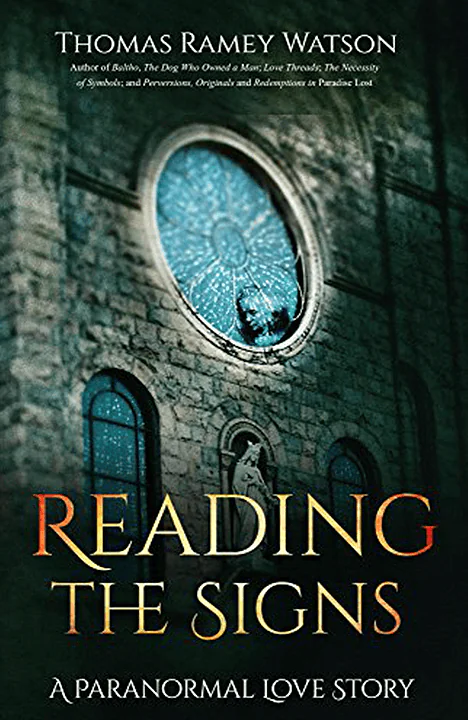
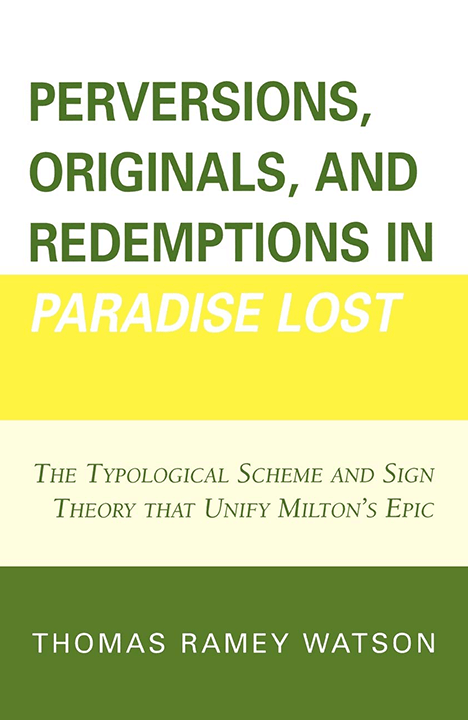

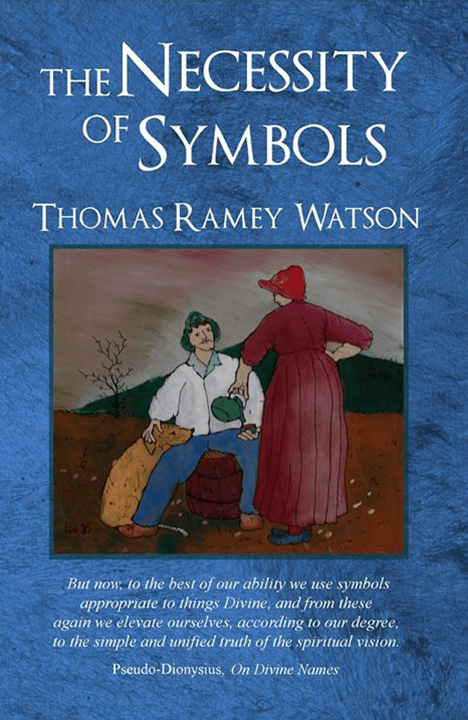

About Thomas Ramey Watson


Thomas Ramey Watson, Ph.D., is an affiliate faculty member of Regis University’s College of Professional Studies in Denver, Colorado. He has served as the Episcopal chaplain for the Auraria University and College Campus in Denver and taught English for the University of Colorado at Denver.
He has trained as a psychotherapist, has done postdoctoral work at Cambridge University, and was named a Research Fellow at Berkeley Divinity School at Yale University. He is the author of many scholarly writings, including an acclaimed book on Milton, Perversions, Originals, and Redemptions in Paradise Lost. He is a published author of poetry, fiction, scholarly literary articles, and articles about counseling and coaching.

Why Join The Newsletter
One night, my deep desire for proof was satisfied. I was sleeping. Suddenly, Jesus snatched me out of the clutches of Satan, who gloated, “I’ve got you now!” “Oh no, you don’t,” said Jesus, who whisked me away in the air with him.
So began my life of prophetic dreams, visions, words of wisdom and knowledge, as well as divine visitations centered on Jesus of the Gospels, sometimes angels and now and then Mary, not on dogma or doctrine. Such experiences have granted me firsthand insight and guidance. I have also learned the special place of animals, especially dogs and cats, who have come into my life, as animals do in many people’s lives, to advance our souls’ development.
Spending the rest of my life trying to listen, to practice the presence, I learn more about the mysteries that lie at the heart of creation. To follow Jesus in word and deed, not some false and twisted notion of him, that shuts out all who don’t toe the line of their group, drives me forward. It gives me purpose and meaning.
Unfortunately, many claim to be preaching the gospel of Christ, while in reality leading many followers astray with a gospel that is not good news but bad. A perverted gospel of rules and regulations that bind others to “another Jesus,” as St. Paul writes. Rather than freedom in Christ and union with all that is in Love, which, St. John of the Cross writes, is all there is.
God calls us to learn to be quiet and listen. To then pass the tests thrown our way.
So that we may grow in wisdom and grace.
Please subscribe and join over 1,000+ newsletter readers every week! I appreciate and thank you for your insights that help bring us all to growth. In many ways, we grow not in isolation but in community.
That takes place in many forms not just in churches. I will not tell you what to believe or who to follow. “That,” as a very wise spiritual advisor, who lived for decades with brain cancer, told me, “Is God’s business.”
So I bear witness to what I have learned. And what I am learning. We lay down our lives and offer them up so that in dying we resurrect to new life in various and expanding ways. The prize is eternal life in Christ, in whom we live and breathe and have our being. We become more and more who we were meant to be all along. We enjoy Communion with all that is.
May you have enough. Enough of good things. Enough of things many don’t consider good until viewed from the perspective of soul growth.
So that by the time we get to the final goodbye we can affirm that we have indeed had enough.
Tom
Services

Latest From Blog